How a Rural Cohort Sparked Connection Among Northern California Pastors
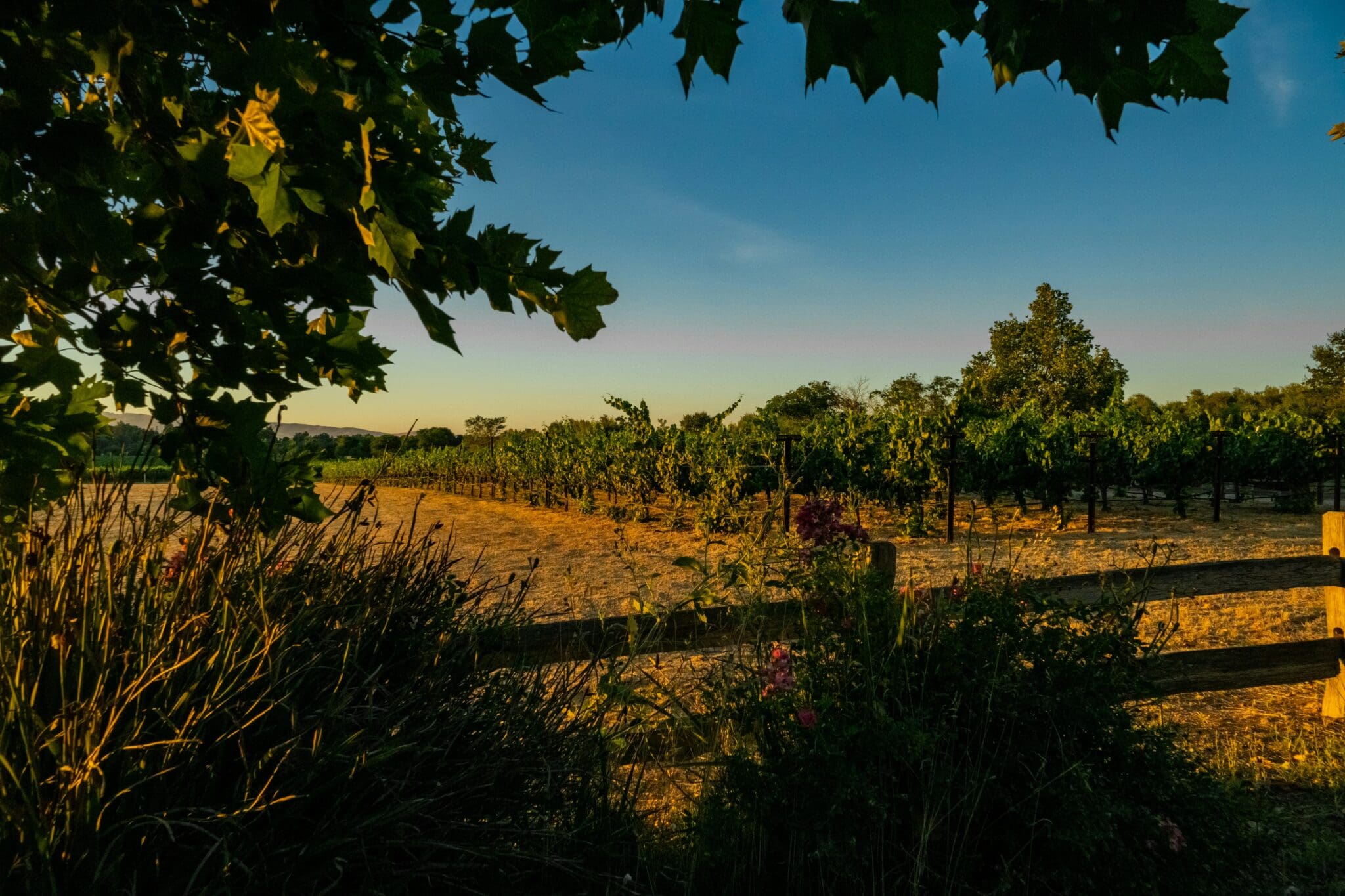
Northern California’s orchard country is beautiful, but it can be isolating—especially for pastors. Our region is dotted with rice farms, orchards, and small towns separated by long stretches of rural roads. Churches are spread thin, and pastors often serve bi‑vocationally with limited time, limited bandwidth, and even more limited opportunities for connection. Even at our annual association meetings, most of us gravitate toward the few familiar faces we already know. The sense of isolation is real.
That’s why I launched the Rural Pastors Cohort through the Sierra Butte Baptist Association (SBBA). I wanted to create a space where pastors could breathe, be honest, and build genuine camaraderie. I also saw the same need in my own city of Oroville, so I invited not only SBBA pastors but several local non Southern Baptist Church pastors as well. In total, I reached out to 32 pastors and set a simple, realistic agenda: the first Saturday of each month, 10 a.m. to noon, with lunch provided.
A Small Start, a Big Surprise
For our first meeting, 13 pastors told me they planned to attend. Hoping to create a little FOMO (Fear of Missing Out), I ordered Big Red’s BBQ—something special to mark the beginning. But when the day arrived, only five pastors showed up. One wasn’t from our association, and one was our DOM. That meant only three SBBA pastors were actually in the room.
I felt the disappointment immediately. But God had something better in mind.
We watched the Vocational Identity video, and the discussion that followed was unexpectedly vulnerable. Every one of us admitted we often felt like “JV pastors”—including our DOM. That honesty broke the ice in a way I couldn’t have orchestrated. When lunch arrived, I assumed everyone would grab a plate and head home. Instead, they stayed. They talked. They prayed. They lingered until after 2 p.m. The depth of connection in that room erased every bit of my earlier discouragement.
I walked away knowing: We’re onto something important.
Word Spreads, Walls Fall
In small towns, good news travels fast. By the second meeting, eight pastors showed up. The topic was Isolation, something I’ve personally wrestled with as a bivocational pastor of a tiny church. I shared openly about seasons when no one—including our former DOM—reached out. What I learned that day was that I wasn’t alone. Every pastor in the room had felt the sting of isolation. That shared experience created a bond I didn’t anticipate.
Once again, the conversations stretched well into the afternoon. The BBQ helped, but the real draw was the safety and honesty forming among the group.
Attendance continued to grow: 11 pastors at the third meeting and 13 pastors at the fourth. One pastor even drove an hour just to be part of it.
A Culture of Openness Takes Root
I’ve tried to lead with humility—sharing my own inadequacies, laughing at myself, and pointing us back to God’s sufficiency. That posture has helped lower walls. Pastors who normally carry the weight of their churches alone are beginning to relax, open up, and trust one another.
What’s emerging is a culture of brotherhood. Pastors are showing up early. They’re staying late. They’re praying for each other. They’re checking in between meetings. They’re rediscovering that they’re not alone in ministry.
In just a few months, this cohort has become something pastors genuinely look forward to. I’m honestly stunned by how quickly it has taken root. It’s a reminder that rural and bi‑vocational pastors desperately need spaces where they can be themselves—where they can drop the façade, share their burdens, and find encouragement among peers who understand their world.
A Small Investment, a Significant Impact
The grant funding through a collaborative partnership between the North American Mission Board and the Rural Church Institute at the Wheaton College Billy Graham Center enables us to provide meals, which has been a simple but powerful catalyst for pastoral companionship. Food lowers defenses. It creates space for conversation. It communicates care. And in our context, it has helped build a community that didn’t exist before.
The Rural Pastors Cohort is becoming a lifeline for pastors across our region, and I’m grateful to be part of what God is doing through it.
You may also like
- Church and Culture, Church Evangelism, Missional Discipleship, Research, Small Church Leadership


- Healthy Leader, Innovative Evangelism, Missional Discipleship
Billy Graham’s Legacy for a New Generation
Mosaix 6th National Conference