Rural Church Institute
Supporting, equipping, and connecting churches serving in rural and small-town communities.
people, or one in five Americans, live in rural America.
A movement is emerging to plant, resource, and multiply life-giving, spirit-filled ministries in rural America.
Greetings from the Director:
Welcome to the Rural Church Institute at the Wheaton College Billy Graham Center.
Rural churches matter. Across small towns and countryside communities in America, pastors and congregations faithfully serve, lead, and share the hope of the gospel. Yet their stories, challenges, and contributions are too often overlooked.
The Rural Church Institute exists to champion rural churches and strengthen their impact. Through research, resources, training, and strategic partnerships, we support ministry leaders while elevating the voices and experiences of rural congregations. From national research initiatives and rural evangelism cohorts to practical tools and collaborative networks, our work is shaped by listening to rural pastors and learning from the communities they serve.
Whether you are a pastor, denominational leader, student, or advocate for rural ministry, we invite you to be part of this work. Our hope is that rural churches will not simply be included in conversations about the future of the church, but will help shape them.
Interested in connecting with the Rural Church Institute? Complete our interest form and tell us how you’d like to engage through research, speaking opportunities, training courses, or rural ministry cohorts.
I’d love to connect with you.
Grace and peace,
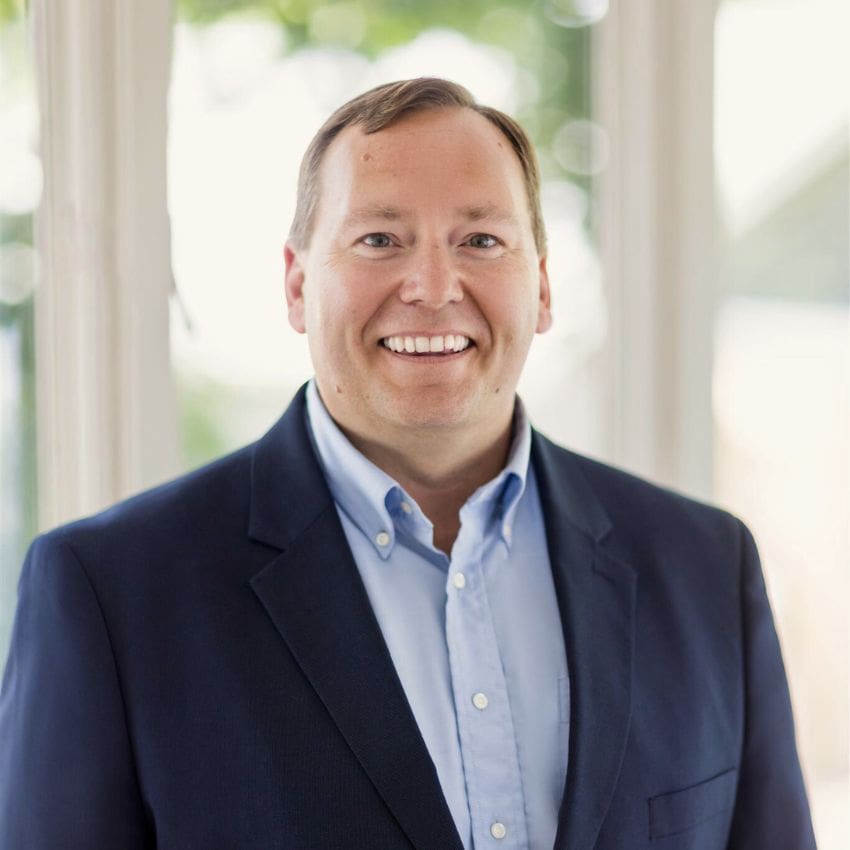
Dr. Jason R. McConnell
Director, Rural Church Institute Wheaton College Billy Graham Center
Stay in Touch~
We would love to stay in touch and let you know of new research, training opportunitites as well as future cohort launch dates. Please use the form to leave us your information and we will keep you in the loop!
The Rural Churches Today Report
The Rural Churches Today report, produced by Lifeway Research in collaboration with the Wheaton College Billy Graham Center Rural Church Institute, the Rural Home Missionary Association, and Grove City College’s Center for Rural Ministry, offers a comprehensive examination of Protestant congregations in rural America. Supported by funding from the Lilly Endowment, the study combines both quantitative data and qualitative insights to illuminate the realities of ministry in communities often overlooked in national conversations.
The findings underscore the enduring importance of rural congregations within America’s religious landscape. Despite demographic shifts and economic pressures, these churches remain vital centers of faith, resilience, and community life. For denominational leaders, ministry partners, and policymakers, the report highlights both the pressing needs and the remarkable strengths of rural ministry, offering a roadmap for support, investment, and renewal.
Key areas explored include:
- Pastoral calling and wellbeing
- Evangelism and community outreach
- Leadership development and service
- Current successes and challenges
- Optimism and opportunities for revitalization
In the months ahead, directors of the sponsoring organizations will release additional resources to help rural pastors and church leaders contextualize the report’s findings.
To ensure broad accessibility, the full report is available below and on our resources page.
As more people and resources move to urban settings, the rural heartland has gradually become under-resourced, overlooked, and often forgotten. Mainstream church-planting resources are often not helpful. Rural church-planting strategies are markedly different from strategies in any other context.
RCI is a community for pastors and Christian leaders serving in non-urban contexts that was created to provide support, learning, and community for those working in non-urban contexts in North America and around the world.
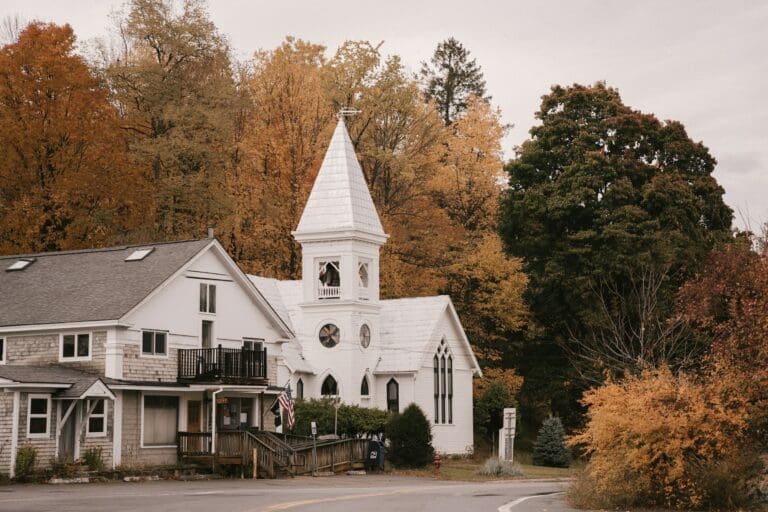
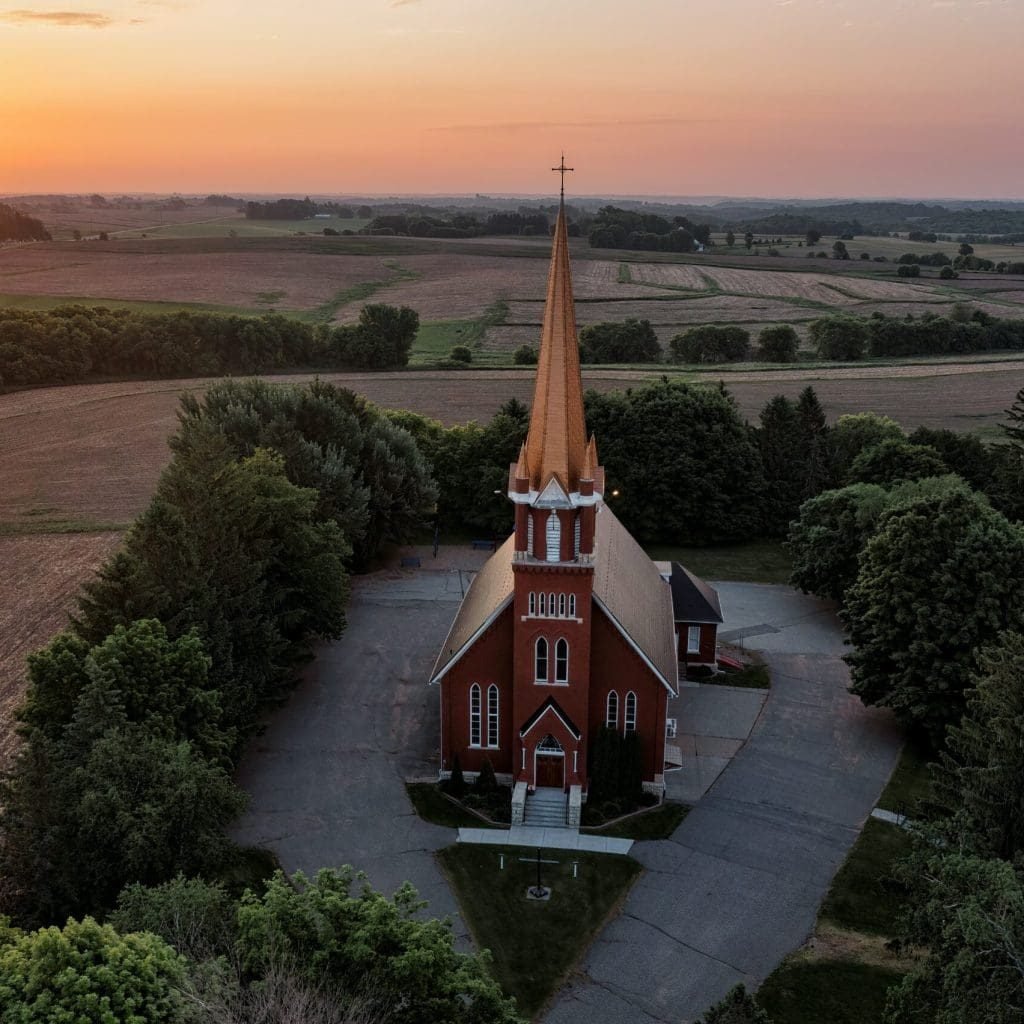
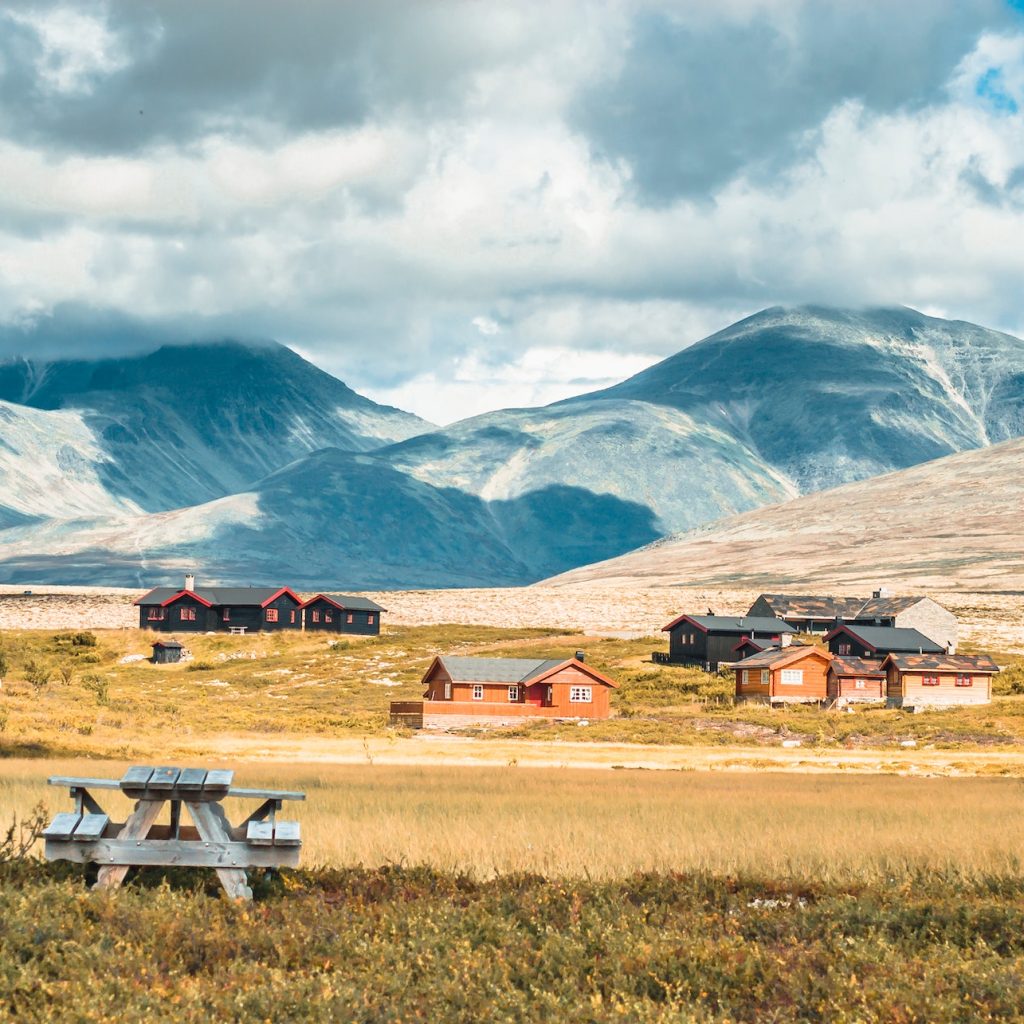
The term “rural” means different things to different people. For many, it evokes images of farmlands and pastoral landscapes. For our purposes, we define rural based on the official Census Bureau classification. What is urban and what is rural is defined after each decennial census using specific criteria related to population thresholds, density, distance and land use.
In general, rural areas are sparsely populated, have low housing density, and are far from urban centers. Urban areas make up only 3 percent of the entire land area of the country but are home to more than 80 percent of the population. Conversely, 97 percent of the country’s land mass is rural but only 19.3 percent of the population lives there.– U.S. Census Bureau