Corrections Staff
Corrections staff are crucial and integral members to Correctional Ministries. Without their hard work, their dedication to their positions, and their assistance, our ministry would be challenging.
Recommended Books for Corrections Staff
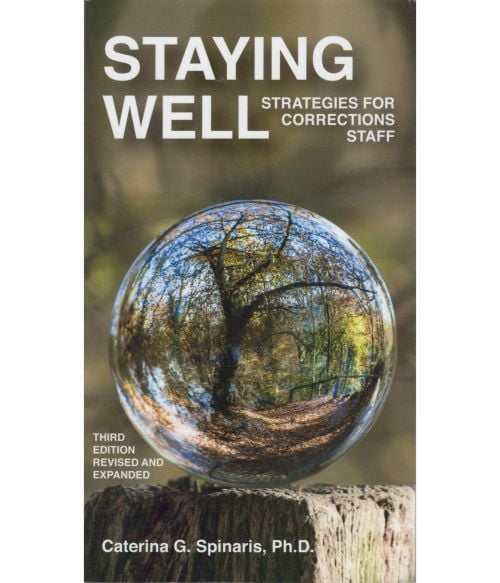
Staying Well: Strategies for Corrections Staff provides information to increase awareness of how the job may change correctional professionals negatively over time. The book also offers suggestions for dealing with occupational challenges, so corrections staff can stay well, perform well, find fulfillment in their corrections careers, and enjoy healthy personal lives.
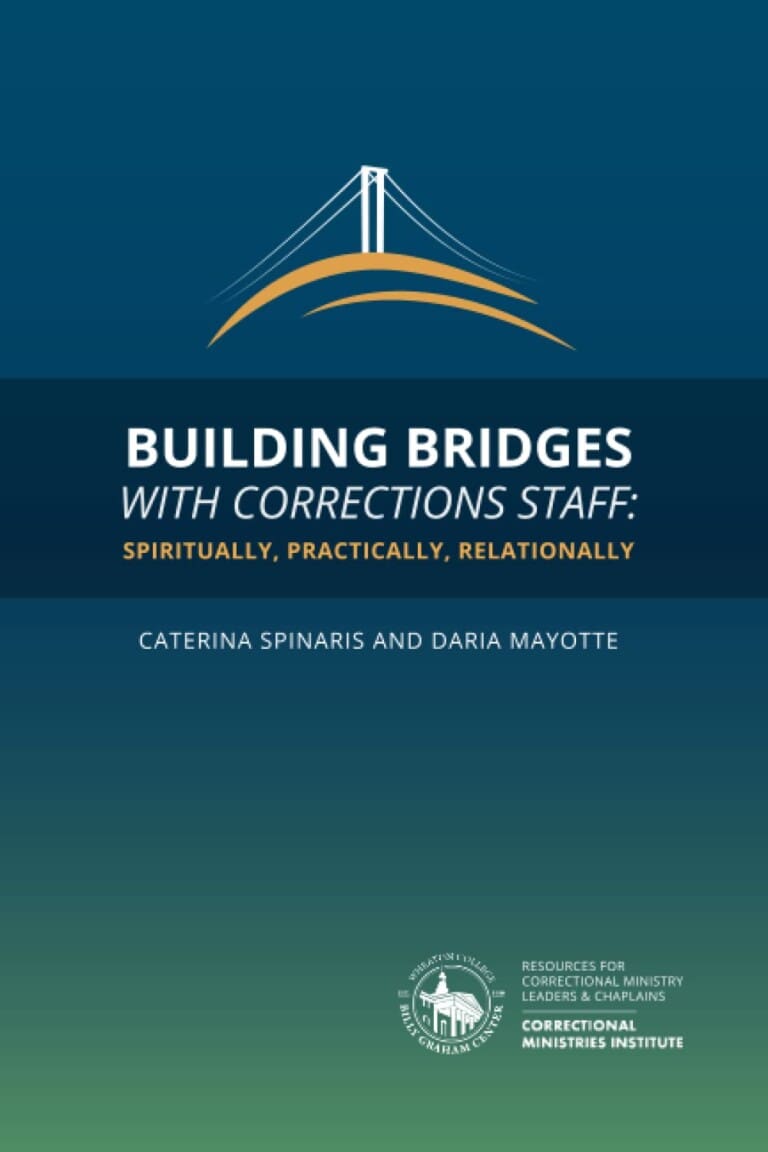
Building Bridges with Corrections Staff Correctional chaplains have an opportunity to minister with corrections staff, a unique and often-overlooked population of men and women serving in our youth detention centers, jails, and prisons. This book offers insights that broaden your understanding of corrections staff and their culture. Strategies, practices, and resources are identified to increase the effectiveness of your outreach to corrections staff along with tools to break down barriers and specific ways to build bridges as you show and share the love of Christ.
Resources for Corrections Staff
Annotated Bibliography Stressors for Corrections Staff
“Corrections work of all disciplines, whether in institutional or in community-based settings, has been recognized as being exceptionally stressful. Traditionally, this has been regarded as a consequence of staff’s exposure to multiple organizational stressors and also operational stressors. Examples of organizational stressors are role problems, demanding interactions with other staff or justice-involved individuals, and low organizational support. Examples of operational stressors are shift work, high workloads, and mandatory overtime. The effects of these types of stressors have also been thought to result in “burnout.” Recently, a more insidious source of occupational stress has been recognized in the corrections profession—that of exposure to potentially traumatic events and material. Such exposure can be direct (first hand), such as while responding in person to incidents of violence, injury or death, or being assaulted on the job. Traumatic exposure can also be indirect (second hand), such as while hearing about or viewing videos of critical incidents or reading presentencing investigation reports. “This annotated bibliography was developed in an effort to provide current and useful information to corrections professionals regarding possible effects of traumatic and other high-stress exposure on staff health and wellness.
Foundations and Best Practices for Correctional Staff Outreach This resource, provided by Desert Waters Correctional Outreach, provides important guidance for Biblically-based fellowships and congregations as they reach out to Correctional Staff.
This newsletter (for Corrections Staff) is put out by 4th Purpose Foundation. The newsletter highlights what it means to feel alone during a crisis, and explores eight key skills that can make or break success in this field.
The Importance of Addressing Organizational Stress Among Corrections Officers
Research conducted by Northeastern University found that organizational stress among corrections officers, particularly in relationships between supervisors and front-line officers, along with long shifts or mandatory overtime, substantially contributed to a high-stress work environment that can interfere with a positive work-life balance.
Inmate Sexual Harassment of Staff: “Part of the Job?”
This is news! The fact that leaders within corrections agencies are expected to ensure that staff are not subjected to unlawful sexual harassment from inmates has now been affirmed several times in the legal system
Organizational-Level Response and Planning for Staff Compassion Fatigue/Vicarious Trauma
Summary: It takes courage to help child and adult victims of sexual abuse, assist survivors of acts of terrorism and mass violence, fight fires that may have taken people’s lives, or respond to shootings and other crime scenes. It also takes commitment to do this work in spite of the personal, physical, emotional, and mental impact it can have. This session will focus on how OVC’s Vicarious Trauma Toolkit (VTT) can help you to—
Conduct an assessment of your agency’s current capacity as a vicarious trauma-informed organization.
Bring leadership and staff together to review your existing capacity, identify gaps, and prioritize needs. Locate resources and tools in the VTT and Compendium of Resources to help meet your identified needs. Develop a comprehensive plan to become a vicarious trauma-informed organization that addresses exposure to single incidents of crime or violence and acts of mass violence and terrorism.
Religion in Corrections: Offenders’ Rights – Your Responsibility
This material was developed and/or compiled under the auspices of the U.S. Department of Justice, National Institute of Corrections.